What I’ve Learned About Selling B2B SaaS So Far in 2026
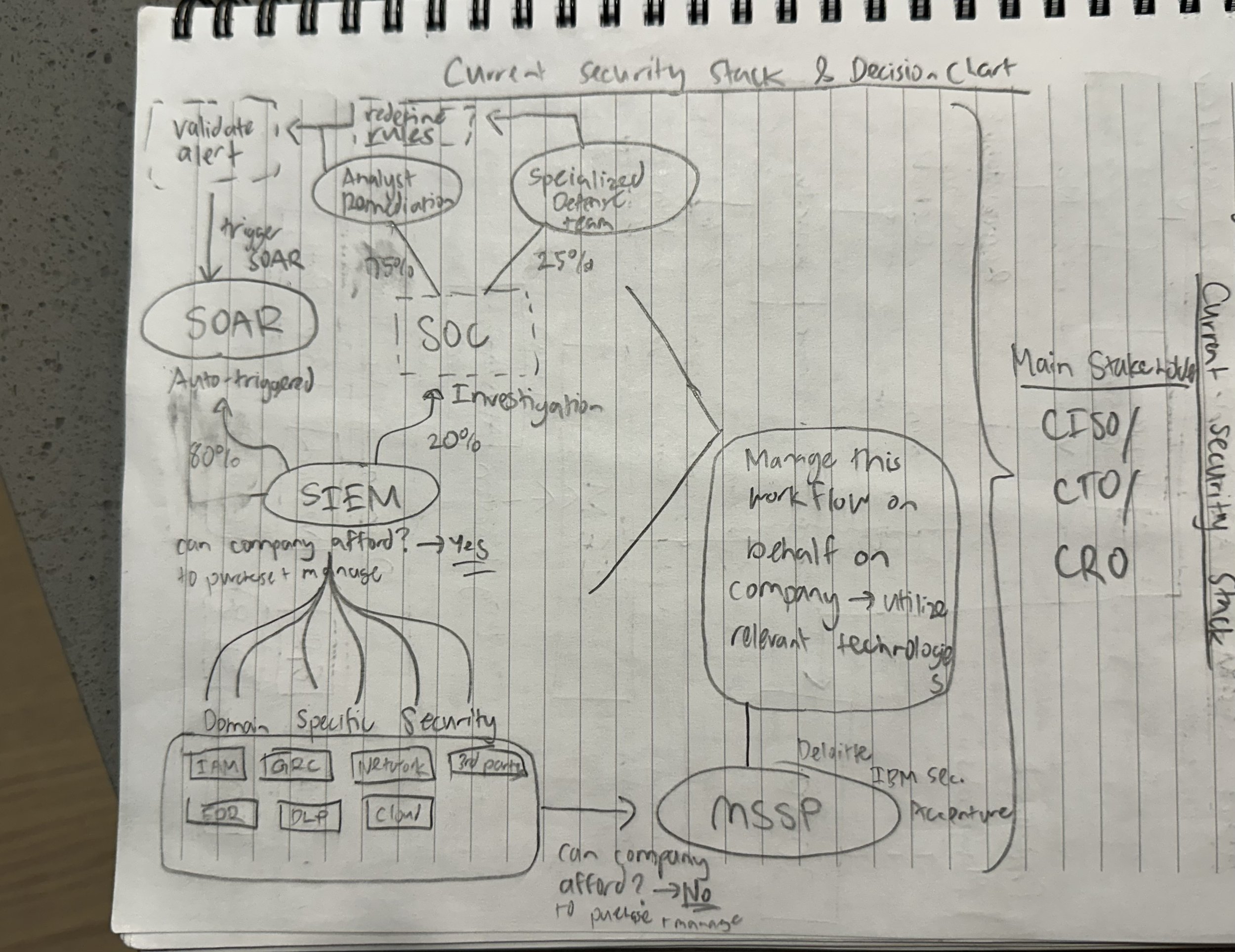
Image Details: B2B SaaS
What an Outreach Playbook Looks Like in 2026
While my previous article discussed what B2B SaaS buyers care about with regards to capabilities, in this short read, I wanted to focus on what I’ve learned over the past 3 months when trying to sell B2B SaaS. Over this period, I’ve had the opportunity to:
Engage with 30+ potential customers, B2B SaaS industry experts, C-suite executives who are actively purchasing B2B SaaS tools, SMBs looking to protect their businesses, and third-party service providers
Participate as part of a UIUC on-campus startup incubator program, actively acting as a Forward Deployed Engineer who has to switch roles between selling, developing, and iterating based-upon competitive landscape, product-market fit (PMF), and Ideal Customer Profile (ICP) shifts
Join a team of talented developers, business strategists, and GTM engineers who are passionate to democratize access to educational resources and technology across the global south, receiving grants from various VCs
From these experiences, some of the most valuable insights I’ve identified revolves not only around how to find an ideal customer who needs your product, but also the methods through which to sell your services.
Think In Terms of Sales Channels, Not Solely Customer Profiles
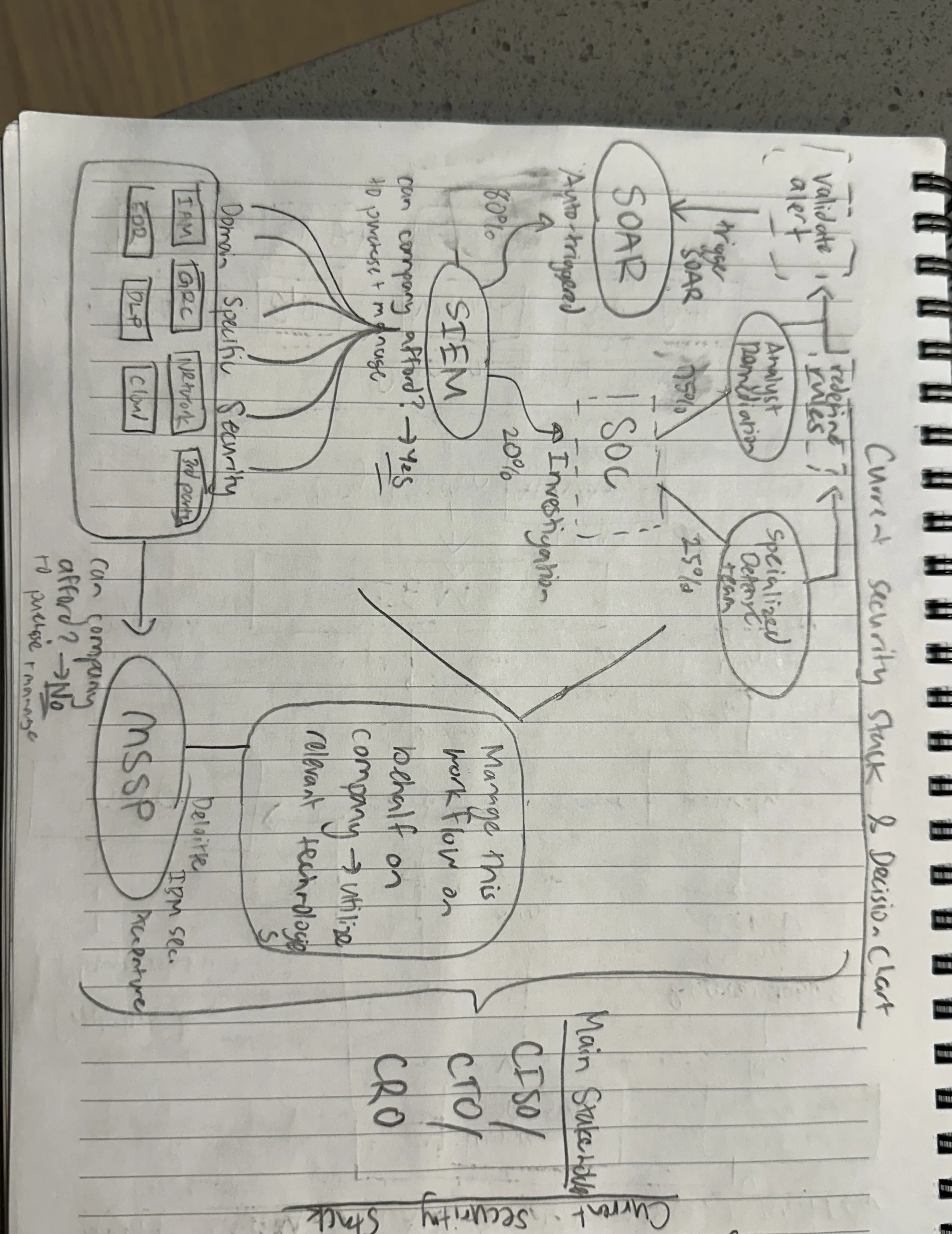
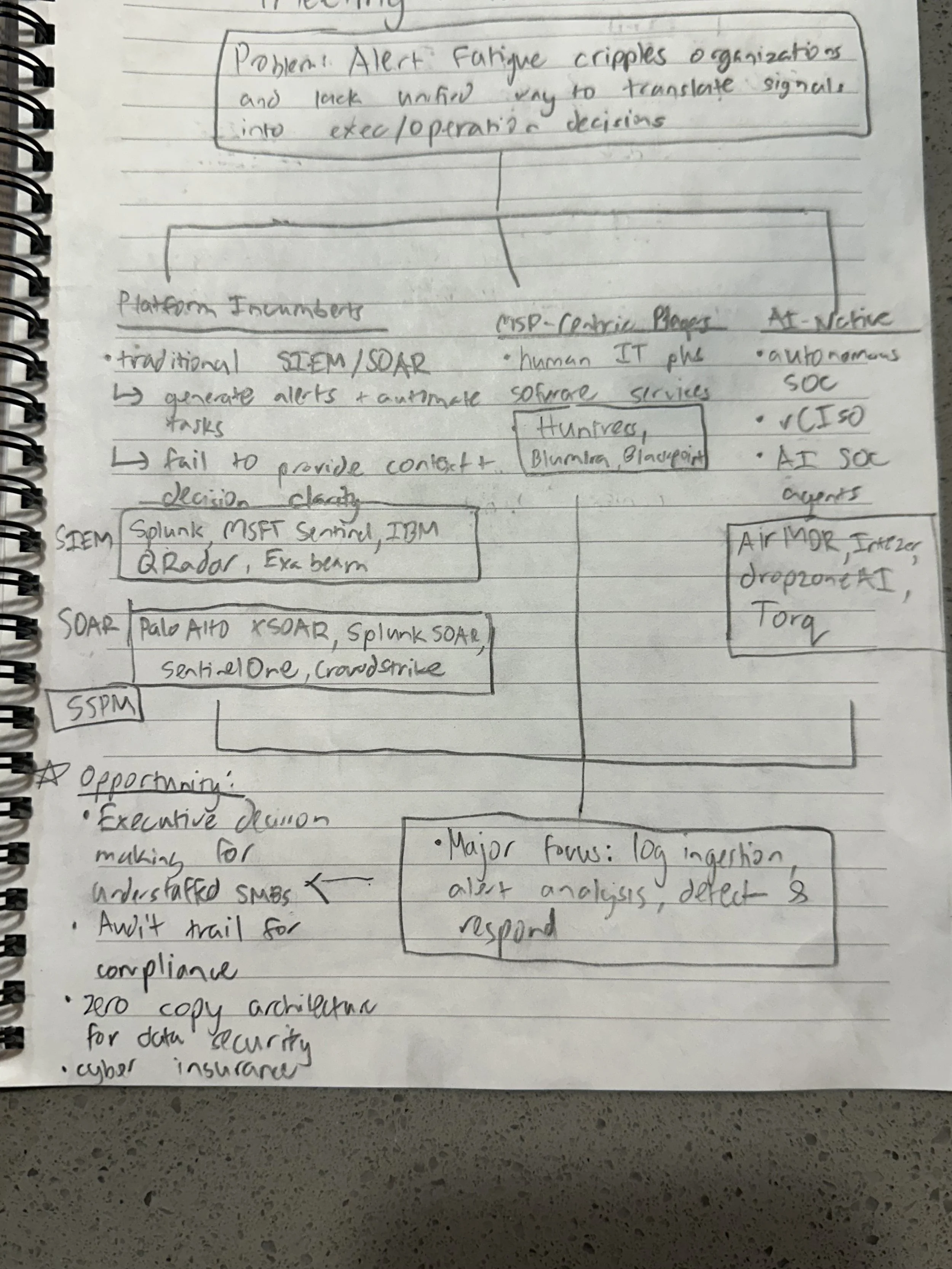
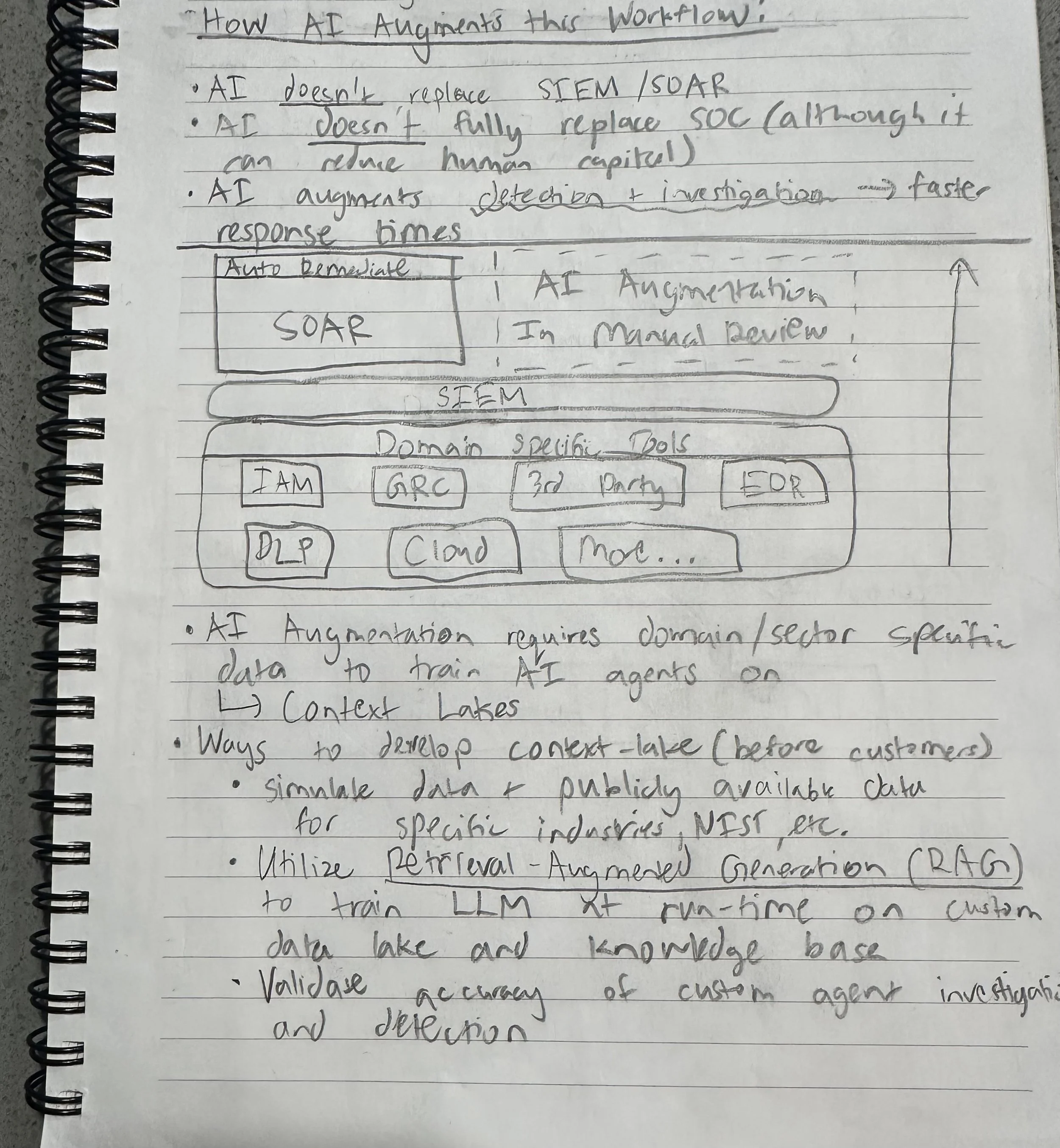
Selling B2B SaaS is inherently more tricky, less intuitive, and more convoluted than B2C products. As someone who is 21 years old and essentially a new college graduate with limited domain expertise and network effects, the task of selling B2B SaaS becomes even more daunting. My first exposure to even trying to sell B2B SaaS came when I continuously engaged with “potential customers” who matched my target ICP when conducting market research for my business idea, LegionSDI (Security Decision Intelligence) back in December/January. As I conducted secondary and primary market research, I found myself continuously narrowing my customer profiles until I go closer to my target. Here’s how it went:
Q: What types of businesses need a product like mine?
A: Other B2B SaaS companies
Q: What types of B2B SaaS companies?
A: Companies that have 30+ enterprise security tools and must be compliant with SOC 2, NIST, GDPR, ISO 27001, etc.
Q: Which of these types of companies can we narrow further?
A: Mid-market companies who’s core operations aren’t security, but have increasing security requirements to operate.
Q: Can we specify this further?
A: Mid-market companies with 50-1000 employees in the B2B SaaS sector who have large digital footprints (30+ enterprise security tools), minimal/small security operations teams, and regularly experience alert fatigue.
Now, I know that this sequence of questions and answers may be specific to my business idea, but if you have ever ideated and attempted to find your ICP for a specific business idea in the past, I’m sure you’ve experienced similar iteration cycles as you conduct research and iterate. It’s usually at this point, that most people eventually identify their ICP but are unsure of their next steps. In other words:
Finding an ICP is useless if you don’t know the sales channels through which to reach them.
This is where sales channels are crucial in identifying not only the who, but the how.
How to Identify Sales Channels?
Honest confession - I’m figuring out how to identify, target, and create turnover within sales channels as I speak :)
But in all reality, here’s what I’ve learned so far.
When it comes to sales channels for B2B SaaS, you are usually selling to a specific role or individual within your target company, to a third-party service provider, or two a product distributor. Here’s what I mean when I say this:
Role specific sales channels: Think of these as specific individuals who are responsible for actually buying, selling, and managing SaaS tools at their respective companies. From my experience, role specific sales channels tend to be most prevalent at mid-to-large sized companies. Think of these as you trying to sell to enterprises directly. For my specific business ideas, the exact roles I was targeting tended to be CISOs/CTOs/CROs, Cybersecurity managers, or IT Department leads. For your SaaS tool, the exact role may be different.
Third-party service providers: This is the second sales channel, and in my opinion, the one that is most often overlooked by young entrepreneurs. Because product developers and young entrepreneurs tend to be so product focused, they almost immediately forget that managed service providers are some of the largest, most well-connected companies and channels of business across the entire world. MSPs can range from consulting firms, domain-specific service providers, as well as outsourced technology managers, and they often times exist functionally within all sorts of organizations. Large consulting firms serve >97% of the Fortune 500, while smaller MSPs and domain specific providers have vast exposure to the middle market. This makes them crucial to any outreach or GTM strategy, especially if your SaaS tool is expensive and/or your ICP disproportionately relies on outsourcing due to technological or human capital constraints.
Product distributors: This title can be a little misleading, but I couldn’t think of any other names for this third sales channel that is also overlooked. If your SaaS tool disproportionately serves an ultra domain-specific sector or targets primarily small businesses, keep product distributors in mind. Think of product distributors as existing SaaS tools that are so widespread and embedded in a specific size/sector of businesses, that embedding your tool within their existing product/distribution makes more sense than targeting the sector directly.
For example, think of small retail businesses or mom-and-pop shops. If this ends up being your ICP, it may make sense for your sales channel to be an already widespread SaaS product such as Toast, Chowbus, or Shopify. By integrating your tool within these existing services that are essentially products that have been distributed across the SMB sector, you position yourself much better than trying to sell to small businesses directly.
Key Takeaways
I’m also very new to the game of understanding how to build products that solve real, systemic enterprise problems, and more importantly, how to sell them. And the best part? There’s still a lot more to learn. While I’m only a few months into this journey, the biggest lesson I’ve learned and recommendation I have thus far is to prioritize sales channels as much as you prioritize your ICP. To reiterate:
Finding an ICP is useless if you don’t know the sales channels through which to reach them.
My Research Notes & Interpretations